We often hear that sleep is the best medicine – and when your baby is feeling under the weather, getting plenty of rest is particularly important.
Sleep gives your baby's body time to rest and recover and plays an important role in supporting their developing immune system. But when a blocked nose, cough or general discomfort is keeping your little one awake, getting that much-needed sleep isn't always easy.
So, why does sleep matter when your baby is fighting an infection, and how can you help them sleep safely and comfortably when they're poorly?
How does sleep support your baby's immune system?
Sleep is important throughout childhood, particularly during the rapid growth and development of your baby's first years.
While your baby sleeps, their body carries out important processes involved in growth, development, learning and immune function. Sleep and the immune system are closely connected, which is one reason getting enough rest is important when we're unwell.
Sleep won't prevent every cold or infection and isn't a treatment in itself. However, giving your baby plenty of opportunities to rest supports their body while their immune system responds to an infection.
Why might my baby sleep more when they're sick?
If your usually active baby suddenly seems sleepier when they have a cold or other minor illness, they may simply need more rest.
Fighting an infection takes energy, so some babies may want to sleep more frequently or for longer than usual.
For others, illness can have the opposite effect. A blocked nose, cough or general discomfort can make it harder to settle, resulting in shorter naps or more frequent wake-ups during the night.
It's normal for your baby's usual sleeping pattern to change when they're unwell.
How can I help my baby sleep when they're sick?
When your baby isn't feeling well, keeping things calm and familiar can help them settle.
Try following your usual bedtime routine where possible. A cuddle, bedtime story or familiar song can be reassuring, particularly if your baby is feeling uncomfortable or unsettled.
If they have a blocked nose or other cold symptoms, speak to your pharmacist, GP or public health nurse about suitable ways to relieve their symptoms.
It's also important to keep an eye on your baby's temperature and make sure they don't become too hot while they're sleeping.
Keep following safe sleep advice when your baby is ill
It can be tempting to change your baby's sleeping position when they have a blocked nose, but safe sleep advice still applies when your baby is unwell.
Always place your baby on their back to sleep on a firm, flat mattress and keep their sleep space clear. Don't use pillows, cushions, wedges or rolled-up towels to raise your baby's head or incline their mattress.
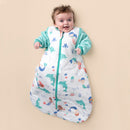
If your baby sleeps in a sleeping bag, make sure it's the correct size and TOG for the room temperature and choose suitable clothing underneath. Avoid adding extra bedding because you're worried they might be cold.
Check how warm your baby feels by touching their chest or the back of their neck. Their hands and feet can naturally feel cooler, so these aren't a reliable guide to their overall temperature.
What if my baby's usual sleep routine changes?
When your baby is poorly, their usual sleep routine may change completely – and that's OK.
They might want more cuddles, need extra reassurance, wake more frequently or sleep at different times. Rather than worrying too much about sticking to their usual nap and bedtime schedule, concentrate on keeping them comfortable and giving them opportunities to rest.
Once they're feeling better, you can gradually settle back into your usual routine.
When should I seek medical advice?
If you're worried about your baby's symptoms, breathing, temperature, feeding or behaviour, contact your GP or public health nurse for advice.
You should also seek medical advice if your baby seems unusually sleepy or is difficult to wake, or if you're simply concerned that something isn't right.
If you're unsure whether a medicine or treatment is suitable for your baby's age, always check with a healthcare professional or pharmacist first.
FAQs about babies, sleep and illness
Does sleep help a baby recover from a cold?
Sleep supports normal immune function and gives your baby's body time to rest while they're unwell. It won't cure a cold, but getting enough rest is an important part of recovery.
Is it normal for babies to sleep more when they're sick?
Some babies may sleep more when they're unwell because their bodies need additional rest. If your baby is unusually sleepy, difficult to wake or you're concerned about a change in their behaviour, seek medical advice.
Why won't my baby sleep when they're ill?
Symptoms such as a blocked nose, cough or general discomfort can make it more difficult for your baby to settle and may cause them to wake more frequently. They may also want more comfort and reassurance than usual.
Should I raise my baby's mattress when they have a cold?
No. Your baby should sleep on a firm, flat mattress. Don't prop up or incline the mattress or use pillows, wedges or rolled-up towels to raise your baby's head.
Should I dress my baby more warmly when they're ill?
Don't automatically add extra layers because your baby is unwell. Choose their sleepwear according to the room temperature and check their chest or the back of their neck to see how warm they feel. Their hands and feet can naturally feel cooler.
Can my baby sleep in a sleeping bag when they have a cold?
A correctly fitting baby sleeping bag can still be used when your baby has a cold. Choose the appropriate TOG for the room temperature and adjust the clothing worn underneath if needed.
This article provides general information and isn't a substitute for medical advice. If you're concerned about your baby's health or symptoms, contact your GP or public health nurse for advice.