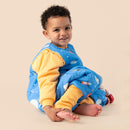
A baby comforter is a soft item that helps babies feel secure, calm and comforted. Many babies become attached to a comforter between 4 and 12 months of age, using it to self-soothe during sleep, cope with separation from parents and feel reassured in new situations. As a familiar object that is always close by, a comforter can support emotional development, encourage independence and become a trusted companion throughout early childhood.
What Is a Baby Comforter?
A baby comforter is a small, soft item that a baby becomes emotionally attached to. It may be a comfort blanket, muslin cloth, comfort toy or soft cuddly companion. What makes it special is not the item itself, but the sense of familiarity and reassurance it provides.
Psychologists often refer to comforters as transitional objects. These objects help babies bridge the gap between dependence and independence. As babies begin to understand that parents are not always nearby, a comforter can provide comfort and consistency during unfamiliar situations.
At What Age Do Babies Become Attached to a Comforter?
Most babies begin forming attachments to comforters between 4 and 12 months of age.
During this stage, babies are developing:
• Emotional awareness
• Object permanence
• Separation awareness
• Independent sleep skills
A comforter can become a familiar source of reassurance when parents are not immediately nearby.
How Comforters Can Help with Sleep
Many parents find that a comforter becomes an important part of their baby's bedtime routine.
A familiar comforter may help your baby:
• Feel calmer at bedtime
• Settle more easily for naps
• Self-soothe during the night
• Feel reassured when sleeping away from home
• Create a familiar sleep association
When introduced appropriately, comforters can become part of a predictable bedtime routine that signals it is time to sleep.
Emotional Benefits of a Comforter
Comforters provide more than physical comfort. They can also support emotional development and confidence.
Children often use comforters to:
• Manage separation anxiety
• Feel secure in unfamiliar environments
• Build independence and confidence
• Regulate emotions during stressful moments
• Cope with changes such as starting childcare or preschool
Having a familiar object nearby can make new experiences feel less overwhelming.
Sensory and Developmental Benefits
Comforters also encourage sensory exploration and development.
Babies enjoy:
• Exploring different textures
• Holding and grasping soft fabrics
• Stroking familiar materials
• Chewing fabric edges during teething
These simple interactions help babies learn about their surroundings while developing hand-eye coordination and fine motor skills.
How to Choose the Best Comforter for Your Baby
When choosing a comforter, look for one that is:
• Made from soft, breathable materials
• Suitable for your baby's age
• Easy to wash
• Durable enough for everyday use
• Free from loose buttons, ribbons or small parts
Many parents find it helpful to buy two identical comforters and rotate them regularly. This ensures there is always a familiar backup available when one is being washed or accidentally left behind.
Comforter Safety Advice
Comforters should always be used in line with current safer sleep guidance.
For babies under 12 months:
• Follow current safer sleep recommendations
• Keep the sleep space clear of unnecessary items
• Introduce comforters only when appropriate for your baby's age and development
• Always follow the manufacturer's safety guidance
If you are unsure, seek advice from your public health nurse or consult current safer sleep recommendations.
When Should a Child Stop Using a Comforter?
There is no fixed age when a child should stop using a comforter.
Some children naturally lose interest during the preschool years, while others continue to find comfort in a favourite toy or blanket for much longer.
In most cases, there is no need to rush the process. Children usually let go of comforters when they feel ready.
Can You Wash a Baby Comforter?
Yes. Comforters should be washed according to the manufacturer's care instructions to maintain good hygiene.
Because babies often become attached to the scent and feel of their comforter, many parents choose to rotate between two identical comforters so one can be washed while the other remains familiar.
A Friend Through Childhood
A comforter may start as a simple piece of fabric, but for many children it becomes a trusted companion. Whether it helps them settle to sleep, cope with childcare drop-offs or feel secure during new experiences, a comforter can provide reassurance throughout early childhood.
And when it is finally outgrown, it often becomes a treasured keepsake that reminds families of those precious early years.
Frequently Asked Questions
Do babies really need a comforter?
Not every baby develops an attachment to a comforter, but many find them comforting and reassuring during sleep and times of separation.
Can a comforter help my baby sleep better?
A familiar comforter can help some babies settle more easily and feel secure at bedtime as part of a consistent sleep routine.
What is the difference between a comforter and a blanket?
A comforter is usually a small item designed to provide emotional reassurance, while a blanket is primarily used for warmth.
Is it normal for toddlers to still use a comforter?
Yes. Many toddlers and young children continue using comforters as they develop confidence and independence.